Cardiovascular and Urological Biomechanics Research Group
Lally Lab, Trinity College Dublin, Ireland
About US
Our research is focused on cardiovascular and urological tissue mechanics and imaging. We aim to gain critical insights into the role of mechanics in cardiovascular and urological diseases.
Using non-invasive vascular imaging techniques, such as Diffusion Tensor Magnetic Resonance Imaging, we aim to develop novel diagnostic techniques for early detection of vascular degeneration.
We also use in vitro and in silico modeling approaches to aid the design and development of intravascular medical devices for the treatment of existing vascular disease.
Prof. Caitríona Lally is a Professor in Bioengineering within the Department of Mechanical and Manufacturing Engineering and Principal Investigator in the Trinity Centre for Biomedical (TCBE) in Trinity College Dublin (TCD). She received her BEng (Mechanical Engineering) and MEng (Biomedical Engineering) degrees from University of Limerick and in 2004 she obtained a PhD from Trinity College Dublin in the area of arterial biomechanics and cardiovascular stenting. Immediately following her Ph.D., she took up a lecturing position in the School of Mechanical & Manufacturing Engineering at Dublin City University, and was appointed senior lecturer in 2014. She returned to TCD in 2015 as a Professor in Bioengineering.
Using non-invasive vascular imaging techniques, such as Diffusion Tensor Magnetic Resonance Imaging, we aim to develop novel diagnostic techniques for early detection of vascular degeneration.
We also use in vitro and in silico modeling approaches to aid the design and development of intravascular medical devices for the treatment of existing vascular disease.
Prof. Caitríona Lally is a Professor in Bioengineering within the Department of Mechanical and Manufacturing Engineering and Principal Investigator in the Trinity Centre for Biomedical (TCBE) in Trinity College Dublin (TCD). She received her BEng (Mechanical Engineering) and MEng (Biomedical Engineering) degrees from University of Limerick and in 2004 she obtained a PhD from Trinity College Dublin in the area of arterial biomechanics and cardiovascular stenting. Immediately following her Ph.D., she took up a lecturing position in the School of Mechanical & Manufacturing Engineering at Dublin City University, and was appointed senior lecturer in 2014. She returned to TCD in 2015 as a Professor in Bioengineering.
Our research
Lab News

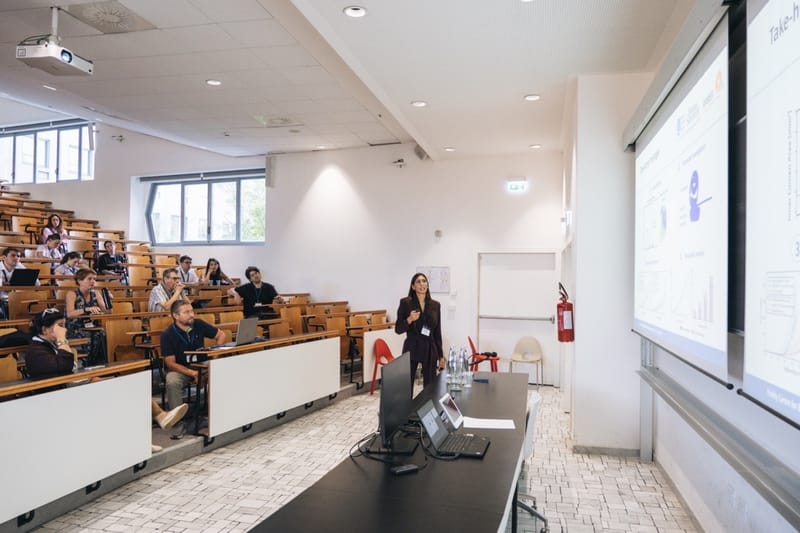
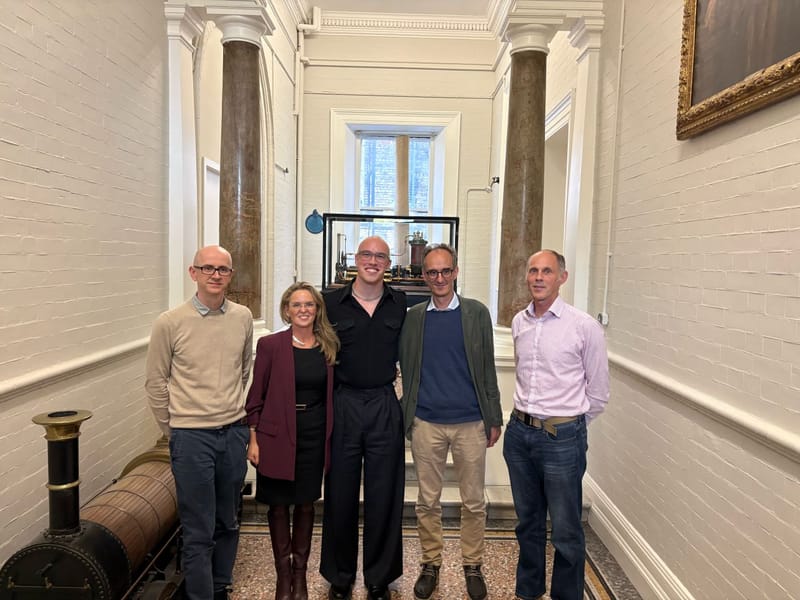
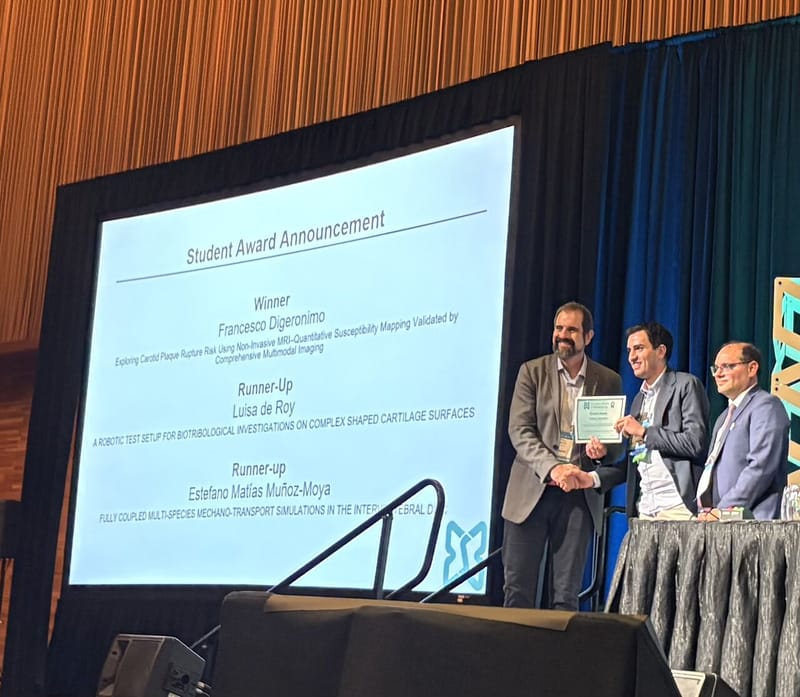
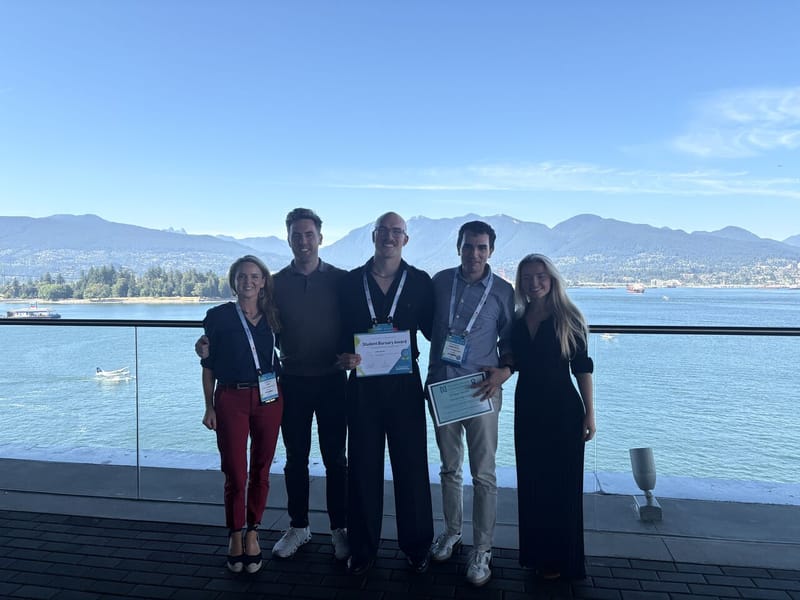
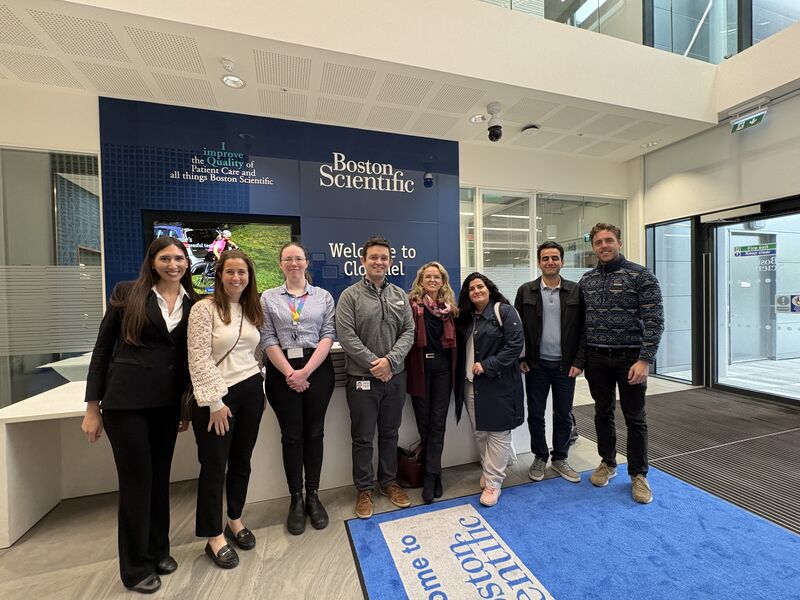
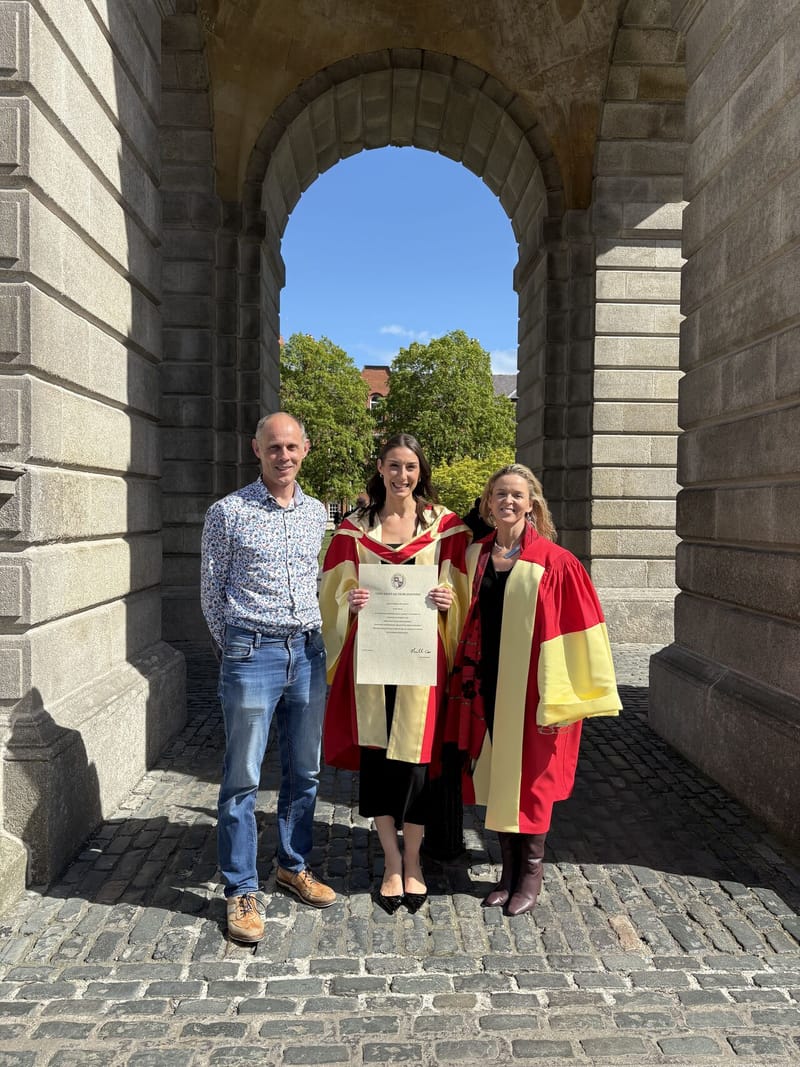
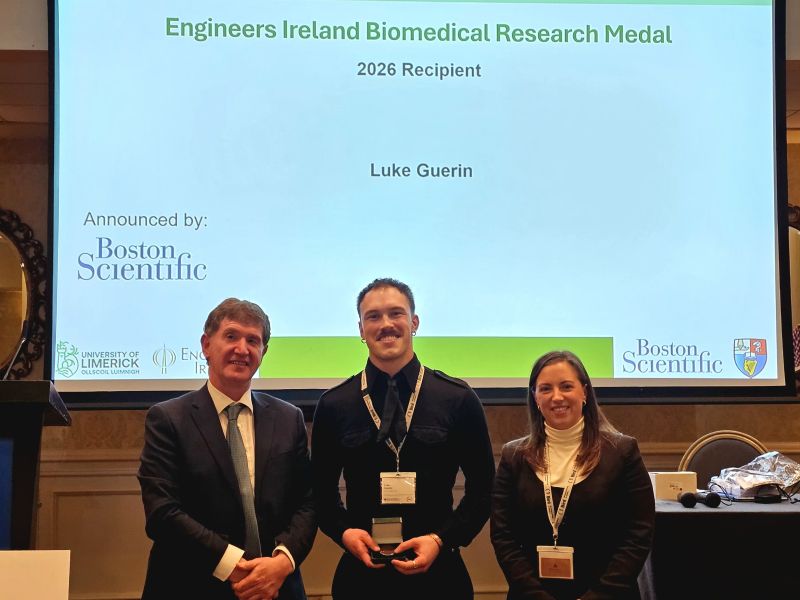
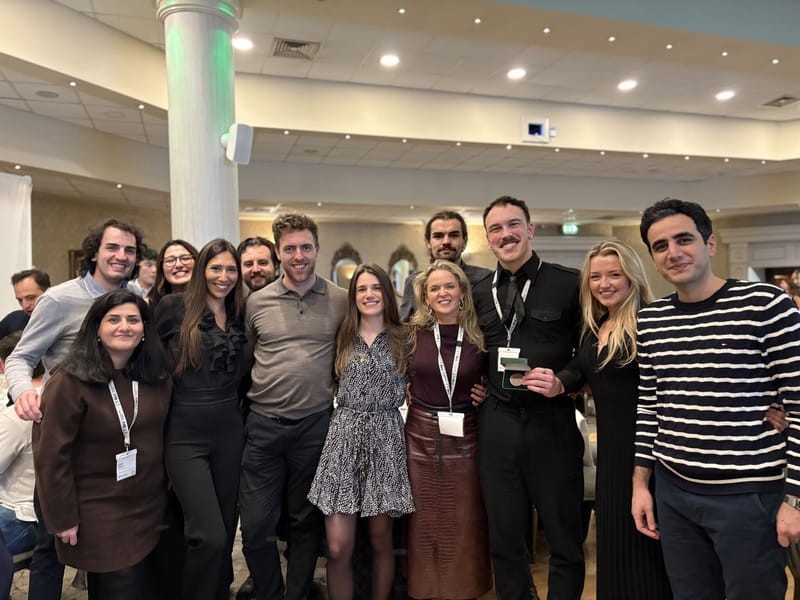
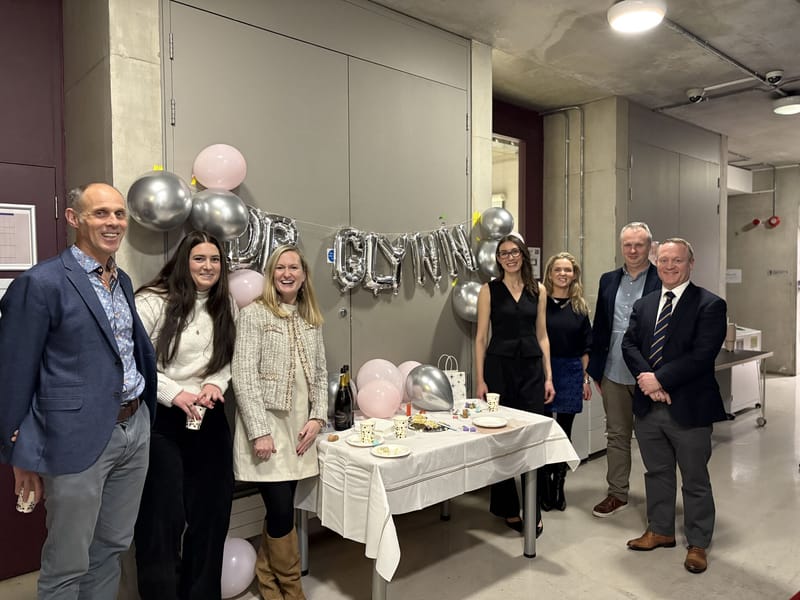
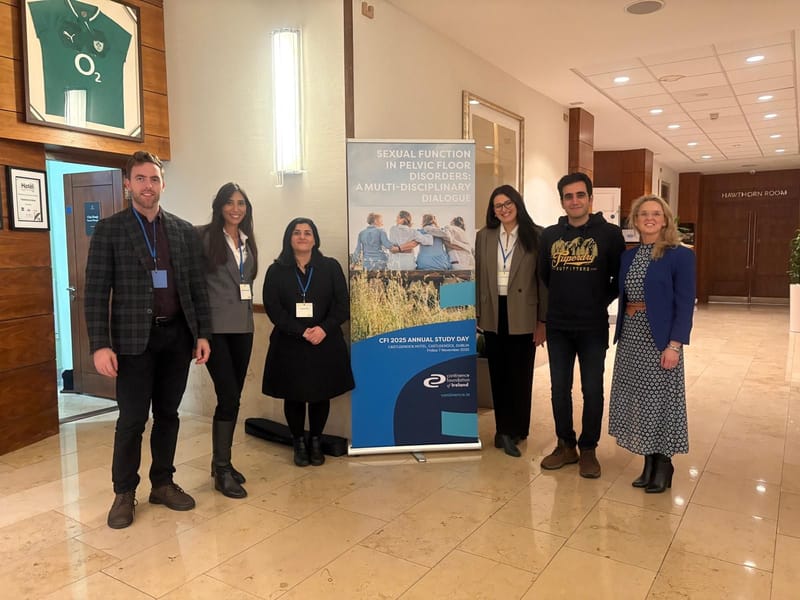
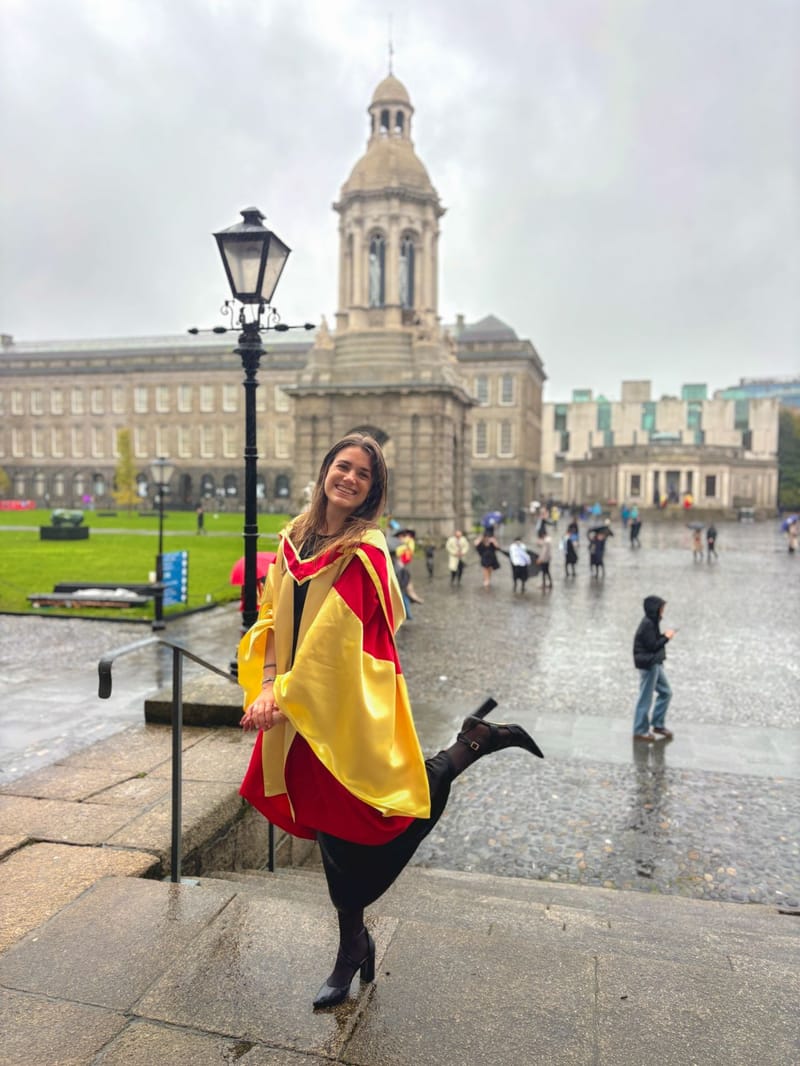
research team
Dr. Jhaleh Amirian
Postdoctoral Research Fellow
Development of implantable urological devices – experimental approach
Dr. Dylan Armfield
Postdoctoral Research Fellow
Development of polymeric heart valve leaflets
Dr. Maria Vittoria Mascolini
Postdoctoral Research Fellow
Development of implantable urological devices – In-silico approach
Dr. Conall Quinn
Postdoctoral Research Fellow
Computational and experimental analysis of artificial urinary sphincters to improve treatment of urinary incontinence
publications
Funding & Partnerships
ERC Starting Grant
FibreRemodel
Frontier research in arterial fibre remodelling for vascular disease diagnosis and tissue engineering
Summary
Each year cardiovascular diseases such as atherosclerosis and aneurysms cause 48% of all deaths in Europe. Arteries may be regarded as fibre-reinforced materials, with the stiffer collagen fibres present in the arterial wall bearing most of the load during pressurisation. Degenerative vascular diseases such as atherosclerosis and aneurysms alter the macroscopic mechanical properties of arterial tissue and therefore change the arterial wall composition and the quality and orientation of the underlying fibrous architecture. Information on the complex fibre architecture of arterial tissues is therefore at the core of understanding the aetiology of vascular diseases. The current proposal aims to use a combination of in vivo Diffusion Tensor Magnetic Resonance Imaging, with parallel in silico modelling, to non-invasively identify differences in the fibre architecture of human carotid arteries which can be directly linked with carotid artery disease and hence used to diagnose vulnerable plaque rupture risk. Knowledge of arterial fibre patterns, and how these fibres alter in response to their mechanical environment, also provides a means of understanding remodelling of tissue engineered vessels. Therefore, in the second phase of this project, this novel imaging framework will be used to determine fibre patterns of decellularised arterial constructs in vitro with a view to directing mesenchymal stem cell growth and differentiation and creating a biologically and mechanically compatible tissue engineered vessel. In silico mechanobiological models will also be used to help identify the optimum loading environment for the vessels to encourage cell repopulation but prevent excessive intimal hyperplasia. This combination of novel in vivo, in vitro and in silico work has the potential to revolutionise approaches to early diagnosis of vascular diseases and vascular tissue engineering strategies
Frontier research in arterial fibre remodelling for vascular disease diagnosis and tissue engineering
Summary
Each year cardiovascular diseases such as atherosclerosis and aneurysms cause 48% of all deaths in Europe. Arteries may be regarded as fibre-reinforced materials, with the stiffer collagen fibres present in the arterial wall bearing most of the load during pressurisation. Degenerative vascular diseases such as atherosclerosis and aneurysms alter the macroscopic mechanical properties of arterial tissue and therefore change the arterial wall composition and the quality and orientation of the underlying fibrous architecture. Information on the complex fibre architecture of arterial tissues is therefore at the core of understanding the aetiology of vascular diseases. The current proposal aims to use a combination of in vivo Diffusion Tensor Magnetic Resonance Imaging, with parallel in silico modelling, to non-invasively identify differences in the fibre architecture of human carotid arteries which can be directly linked with carotid artery disease and hence used to diagnose vulnerable plaque rupture risk. Knowledge of arterial fibre patterns, and how these fibres alter in response to their mechanical environment, also provides a means of understanding remodelling of tissue engineered vessels. Therefore, in the second phase of this project, this novel imaging framework will be used to determine fibre patterns of decellularised arterial constructs in vitro with a view to directing mesenchymal stem cell growth and differentiation and creating a biologically and mechanically compatible tissue engineered vessel. In silico mechanobiological models will also be used to help identify the optimum loading environment for the vessels to encourage cell repopulation but prevent excessive intimal hyperplasia. This combination of novel in vivo, in vitro and in silico work has the potential to revolutionise approaches to early diagnosis of vascular diseases and vascular tissue engineering strategies